Category: Shared News

  • We are excited to announce the publication of our latest peer-reviewed article in the Children and Youth Services Review: “Modified Family Assessment Form (MFAF) and Pennsylvania Families: Establishing Construct Validity and Reliability.”

    This collaborative research, authored by Steve Simms, Jennifer Benjamin, Todd Franke, and Pinky Patel, focuses on validating the MFAF within Pennsylvania families, aiming to enhance the tools available for family assessment in therapeutic settings.

    The study’s findings contribute to the field of systemic family therapy by providing a reliable instrument for practitioners working with diverse family structures.

    We invite fellow professionals and researchers to read the full article here:

  • What is “Family Life” in the client’s social ecology:

    1. Parenting Styles and Discipline

    • Family Connection: The way parents enforce rules, boundaries, and discipline within the home.
    • Social Ecology Impact: Cultural norms and societal expectations often shape parenting approaches, such as collectivist cultures emphasizing obedience and respect or individualist cultures prioritizing independence.

    2. Conflict Resolution

    • Family Connection: How family members handle disagreements, whether through open dialogue, avoidance, or escalated arguments.
    • Social Ecology Impact: Broader societal influences, such as workplace stress or community norms about emotional expression, can affect how conflict is addressed within families.

    3. Celebrations and Traditions

    • Family Connection: Birthdays, holidays, or rituals unique to the family.
    • Social Ecology Impact: Traditions may be influenced by cultural heritage, religious practices, and the family’s interaction with their local community.

    4. Family Roles and Responsibilities

    • Family Connection: Expectations for caregiving, household chores, or decision-making responsibilities.
    • Social Ecology Impact: Economic conditions, gender roles, and societal shifts (e.g., dual-income households) shape these roles within the family.

    5. Emotional Support Systems

    • Family Connection: Families offering encouragement during stress or celebrating achievements.
    • Social Ecology Impact: Access to community resources, social networks, or extended family involvement can enhance or limit a family’s ability to provide emotional support.

    6. Communication Patterns

    • Family Connection: The frequency and style of communication between family members (e.g., open, hierarchical, or minimal).
    • Social Ecology Impact: Broader influences, like technology use, workplace demands, or societal norms around expressing feelings, can shape how families communicate.

    7. Routines and Daily Practices

    • Family Connection: Shared meals, bedtime routines, or weekend activities.
    • Social Ecology Impact: Work schedules, school systems, and neighborhood safety often determine the feasibility of maintaining routines.

    8. Adaptation to Stress and Change

    • Family Connection: How families cope with financial difficulties, relocation, or loss.
    • Social Ecology Impact: Access to support systems (like religious organizations, community groups, or healthcare services) significantly influences a family’s resilience.

    9. Education and Learning Support

    • Family Connection: Parents assisting children with homework or prioritizing education.
    • Social Ecology Impact: The quality of schools, availability of resources, and societal attitudes toward education play a role in shaping these family interactions.

    10. Health Practices

    • Family Connection: Meal choices, exercise habits, or approaches to healthcare.
    • Social Ecology Impact: Broader health trends, access to healthcare facilities, and community attitudes toward wellness often intersect with family practices.
  • 2025 Marion Lindblad-Goldberg Award Opens for Nominations on 1/27/25

    Systemic family therapy stands at the intersection of healing, connection, and transformation. The MLG Awards not only celebrate the incredible achievements of today’s leaders in the field but also pay homage to the foundational work of systemic family therapy’s pioneers, such as Salvador Minuchin and Dr. Marion Lindblad-Goldberg. Minuchin’s groundbreaking contributions established structural family therapy as a cornerstone for understanding and addressing relational dynamics, while Dr. Lindblad-Goldberg advanced this legacy by integrating ecological and trauma-informed approaches. This award recognizes the profound impact systemic family therapy has on families, communities, and professionals. By honoring those who exemplify these values, the MLG Awards inspire ongoing innovation and excellence in a field dedicated to addressing complex challenges and fostering meaningful change. It’s more than an award; it’s a continuation of a legacy that transforms lives, one relationship at a time. Join us in celebrating the extraordinary contributions of systemic family therapy practitioners who, like Minuchin and Lindblad-Goldberg, are committed to making the world a brighter, more connected place.

  • A Year of Growth, Connection, and Gratitude

    As we close out the calendar year, the Philadelphia Child and Family Therapy Training Center (PCFTTC) reflects on 2024 with deep gratitude for our incredible community of systemic family therapists, faculty, alumni, and partners.

    This year, we’ve witnessed remarkable milestones:

    • Expanding our Ecosystemic Structural Family Therapy (ESFT) reach through international training opportunities, including Georgia and Canada.
    • Representing PCFTTC at the AAMFT Conference at Disney World, connecting with colleagues and embracing innovation in family therapy.
    • Welcoming new graduates, celebrating their achievements, and watching them take their next steps in the field.
    • Launching our Certification Programs.
    • New publications advancing the practice of ESFT
    • 700 blog subscribers!

    Through it all, we’ve seen our community grow stronger, embracing systemic approaches that honor the resilience of families and the dedication of those who serve them.

    As we step into 2025, we are excited to continue offering cutting-edge training, supervision, and resources to empower therapists. Together, let’s build on this year’s momentum and keep advancing the transformative work each of you do with professionals and the families they serve.

    From all of us at PCFTTC, we wish you a joyous close to this year and a new year filled with hope, health, and connection. Thank you for being part of our journey!

    Warm regards,


    The PCFTTC Team

  • Ecomaps, structural maps, and Home Alone…Oh my!

    Ecomaps, structural maps, and Home Alone…Oh my!

    Home Alone: A Perfect Movie for Practicing Family Assessment Tools

    The 1990 classic Home Alone isn’t just a beloved holiday movie—it’s also a surprisingly effective way to practice family assessment tools. While the film’s focus is on an 8-year-old boy named Kevin, left behind during the holiday chaos, it offers a clear depiction of family dynamics, relational challenges, and conflict resolution, all of which are key aspects of family therapy.

    1. Systemic Family Dynamics: The McCallister family is a perfect example of a system that’s slightly dysfunctional. As the story progresses, we can assess the relationships between various family members. Kevin’s relationship with his parents and siblings displays both systemic challenges and opportunities for growth. The chaotic family environment, including misunderstandings and unacknowledged needs, mirrors real-world family dynamics in therapy.
    2. Communication Patterns: One of the most prominent family therapy tools is the evaluation of communication patterns. In the movie, communication breakdowns, like Kevin not being heard or taken seriously, demonstrate how important it is for families to develop open and effective communication strategies. By examining these patterns, therapists can gain insights into how members interact, ignore each other’s needs, and fail to listen.
    3. Coping Mechanisms: Kevin’s journey is one of emotional and physical survival, but it also reveals how family members cope with stress differently. The McCallisters, especially the parents, struggle to manage stress, and Kevin’s solution is both resourceful and humorous. As a family therapist, observing how individuals cope with anxiety, pressure, or chaos can help guide conversations around healthy coping strategies.
    4. Parental Leadership and Attachment: Throughout the movie, Kevin’s relationship with his parents (and especially with his mother) is crucial. We can analyze how parental leadership affects attachment and security. Kevin’s mother’s eventual realization of her neglect and her need to be with him demonstrates the importance of parental reflection and intervention.
    5. Co-Regulation and Family Resilience: As the story concludes, we see the McCallister family come together, reinforcing the idea of resilience. The reunion emphasizes the importance of co-regulation, where family members help each other restore balance and emotional equilibrium. Family therapy often focuses on this idea—how families can navigate crises and emerge stronger by supporting each other through healthy emotional regulation.

    Incorporating these family assessment tools while watching Home Alone offers an engaging way to reflect on family systems, communication, and resilience. It’s a reminder that behind the humor and slapstick, the heart of the story is about reconnecting and understanding family bonds—a valuable lesson for both therapists and families alike.

  • Elevate Your Expertise, Impact Competency Development with ESFT at PCFTTC

    In the rapidly evolving field of mental health care, ensuring a consistent, systemic approach across the care continuum is vital. Ecosystemic Structural Family Therapy (ESFT) is an evidence-based model that understands behavior within the intricate web of family and community relationships. Rooted in systemic, trauma-informed, strength-based, and attachment-focused principles, ESFT provides the tools necessary to disrupt negative cycles and foster transformative change in family dynamics.

    Empower Your Organization with ESFT Training

    Position your organization as a leader in modern mental health care by equipping your team with ESFT’s robust family systems therapy approach. Our comprehensive certification program goes beyond training—it includes full program implementation support, preparing your team to deliver personalized, context-sensitive interventions that meet today’s mental health challenges.

    Key Clinician Goals with ESFT:

    • Resolve Core Issues: Break negative interaction cycles within families.
    • Promote Healthy Development: Foster self-regulation and social-emotional skills in children.
    • Strengthen Family Dynamics: Cultivate emotionally connected, growth-promoting environments.
    • Enhance Community Support: Coordinate with community systems to support sustained family progress.

    Comprehensive ESFT Integration:

    • Across Care Levels: From outpatient services to psychiatric residential treatment, ESFT’s versatility enhances care at all levels.
    • Single and Multiple Provider Integration: Ensure consistent messaging and treatment approaches across your organization or network, fostering strong commitment to family systems integration.

    Why Invest in ESFT Training?

    • Ongoing Expert Support: Access continuous guidance from family systems experts.
    • Enhanced Clinical Skills: Elevate your team’s therapeutic abilities.
    • Supervisory Excellence: Build strong supervisory frameworks within your organization.
    • Unified Treatment Language: Establish a consistent approach across all services.

    Expand Your Professional Horizons at PCFTTC

    At the Philadelphia Child and Family Therapy Training Center (PCFTTC), our continuing education and competency development programs are designed to keep you at the forefront of systemic family therapy. Whether you’re a therapist looking to deepen your expertise or a supervisor aiming to enhance leadership skills, our certificate programs are crafted to support your growth at your own pace.

    Explore Our Certificate Programs:

    • Systemic Thinking Certificate: Grasp the complexities of systemic thinking, social ecology, and culturally informed methods.
    • Family System Certificate: Master the application of systemic interventions with precision.
    • Systemic Family Therapy Certificate: A comprehensive, year-long program with monthly group supervision.
    • Certificates for Supervisors and Trainers: Specialized programs to enhance supervisory and training capabilities.

    Why Choose PCFTTC?

    • Expert-Led Instruction: Learn from leaders in systemic family therapy.
    • Flexible Learning: Online courses designed to fit your schedule.
    • Relevant Topics: Stay ahead with courses covering the latest trends and techniques.
    • Earn CE Credits: Accredited courses to meet your continuing education requirements.

    Start Your Journey Today!

    Don’t miss the opportunity to elevate your expertise and make a lasting impact in your field. Visit PCFTTC.com to explore our full range of courses and certifications, and take the next step in your professional growth. Let’s build stronger, more resilient families and communities—together.

  • Dr. Steve Simms & Dr. Tom Todd Talk All Things Philadelphia Child Guidance Clinic

    Dr. Tom Thomas found a deep interest in a new care approach, “Family Therapy,” and was drawn to explore it further in Philadelphia. He attended training sessions conducted by Salvador Minuchin. At The Child Guidance Clinic in Philadelphia, he studied families and took part in a project evaluating the effectiveness of structural family therapy for adolescent girls and their families dealing with anorexia nervosa. During his internship, he also learned from Dr. Lester Lubrosky, a prominent psychiatrist at the University of Pennsylvania renowned for his research on the dodo bird effect, which compares the impact of different clinical models. Dr. Lubrosky stressed the importance of the therapeutic relationship, motivating Dr. Todd to enhance his relationship-building skills under the mentorship of Harry Aponte. By the third session, Dr. Todd consistently noticed positive changes in the families he worked with.

    The Child Guidance Clinic, situated in South Philadelphia next to the Children’s Hospital of Philadelphia (CHOP), relocated to a new facility in the University of Pennsylvania Medical complex in 1974. The period of seven years from Minuchin’s arrival in Philadelphia to the Clinic’s relocation marked significant progress in developing the theories, practice, and research of Structural Family Therapy. The following seven years post-relocation allowed for further development and, notably, the dissemination of these ideas and practices.

    The innovative rich tradition of systemic thinking inherited from the original Family Therapy Training Center established by Dr. Salvador Minuchin is still practiced at PCFTTC.com. Join the alliance as a lifelong member and equip yourself to adopt a strength-based approach that is relational, contextual, developmental, and trauma-informed when assisting children, youth, adults, and families in need of care across the continuum of services.

  • Celebrate the ESFT-FBMHS Graduate Jessica W.

    Jessica says – “The training through the Philadelphia Child and Family Therapy Training Center has taught me to look through a systemic lens to support staff within supervision. I have been able to help staff see how their own life experiences impact the way they enter homes and see families. The training center has provided me with an alliance of individuals who are all working toward a common goal of inspiring families to be their own best resource for lasting generational change as they navigate trauma, tragedy, and hardship in a new way. I will be forever grateful for the opportunity to continue to learn and grow both personally and professionally and support staff on their own learning journey to be ethically competent clinicians. “

  • 2024 Recipients of the Marion Lindblad-Goldberg Award

    Congratulations to all the awardees! Your contributions are invaluable, and your passion for systemic change is a beacon of hope and progress for us all. Here’s to continued success and to the many more lives you will touch in the years to come.

    This award has been established by the Philadelphia Child and Family Training Center in honor of Dr. Marion Lindblad-Goldberg whose personal and professional mission was to make the world a better, brighter, and more connected place one family at a time. She believed wholeheartedly in each of us – in our ability, through systemic and relational interventions, to heal disengagement and cultivate belonging.

    Each year the award is given to a trainer, clinician, and program director/supervisor, from the ESFT-FBMHS Training Program, who exemplifies the following:

    Maintains a systemic perspective. Nominees have an appreciation for the isomorphic process in training, treatment, supervision, and across systems. Nominees maintain awareness of the “whole” while working the “parts.”

    Maintains balance between professional boundaries and collaborative relationships to foster positive change and competence. Nominees take a strength-based approach, balancing their professional/expert knowledge while collaboratively engaging the ecosystem to draw on existing strengths and create experiences of trust, building individual competence for all members of the system.

    Engages in social ecology. Nominees have a deep appreciation for intersectionality and the lived experiences of others. As such, they express an unwavering commitment to understanding how their own social ecology and zone of proximal development informs their professional work. Nominees consistently utilize their support system to engage in deliberate practice to grow their professional skills.

    Makes the most of intensity and crises. Nominees have an ability to see struggle and chaos as an opportunity for growth and development. They demonstrate facilitative leadership by keeping second order change in the forefront of their approach to individual or system distress. They nurture others’ capacity to make meaning, promote new relational patterns and shift belief systems towards lasting change.

    Assesses with complexity while acting with simplicity. Nominees have a belief that training, treatment and supervision are relational, contextual, developmental and trauma informed. They demonstrate these concepts actively in their work through systemic assessment and conceptualization. While their understanding of people and situations are complex, those around them experience the person’s actions and communication as accessible and validating.

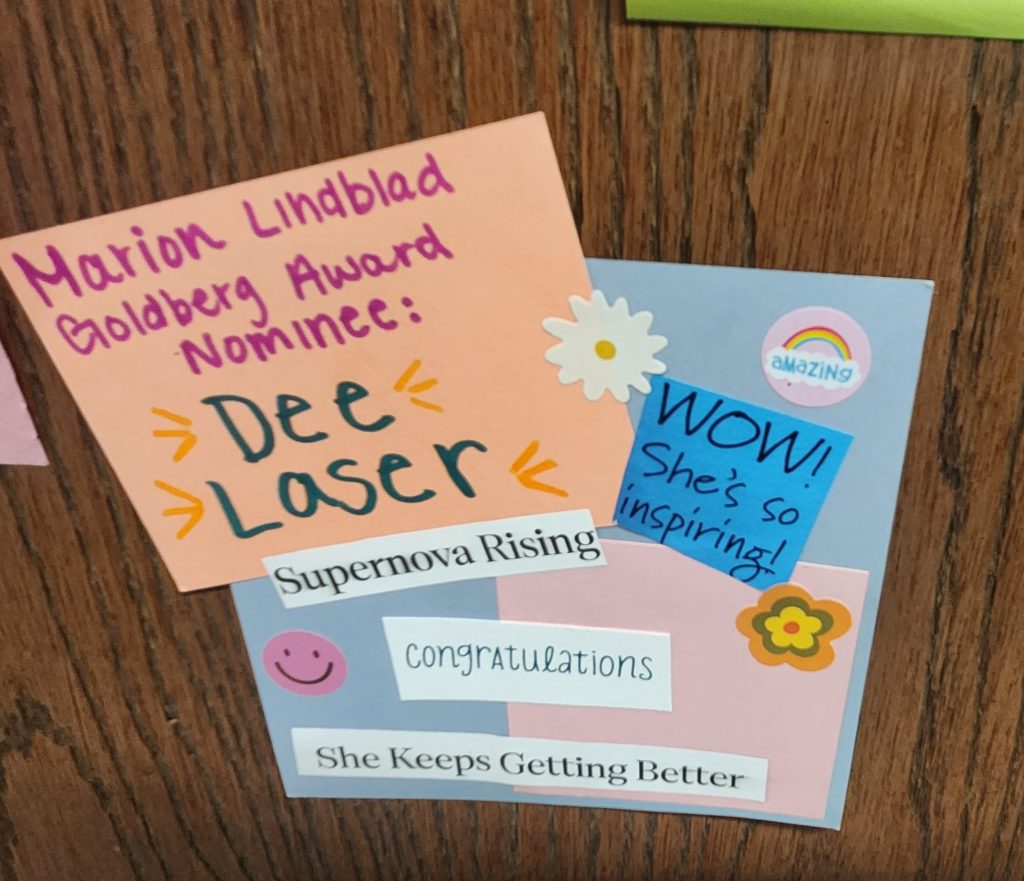
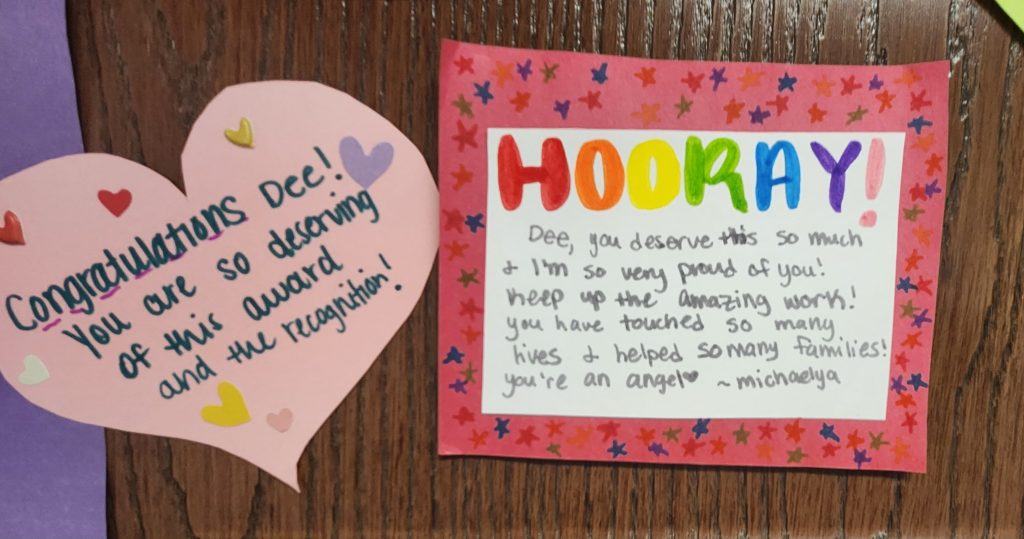
  • Elena S. 2024 Nominee for the Marion Lindblad-Goldberg Award

    Congratulations Elena, you have been nominated for the Marion Lindblad-Goldberg Award! This award recognizes and celebrates professionals from across the commonwealth of Pennsylvania shouldering the legacy of Dr. Marion Lindblad-Goldberg, creator of ecosystemic structural family therapy. Your nomination means someone has taken the time to tell us about how they believe you are working to make the world a better, brighter, and more connected place one family at a time. They believe wholeheartedly in you and your ability, through systemic and relational interventions, to heal disengagement and cultivate belonging!

    “She has shown a commitment to systemic thinking and an unwavering belief in the power of relationships to overcome challenges during a time when many Family Based programs and their agencies are under tremendous pressure. She did all of this utilizing her natural ability to foster attuned and responsive relationships. She validated and lifted up the voices of her staff
    even when it was hard to do so. Elena exemplifies servant leadership, stepping in to help wherever help is needed, working to shift processes whenever possible and supporting new thinking so that barriers are eliminated for those she leads.”