Critical Events Timeline
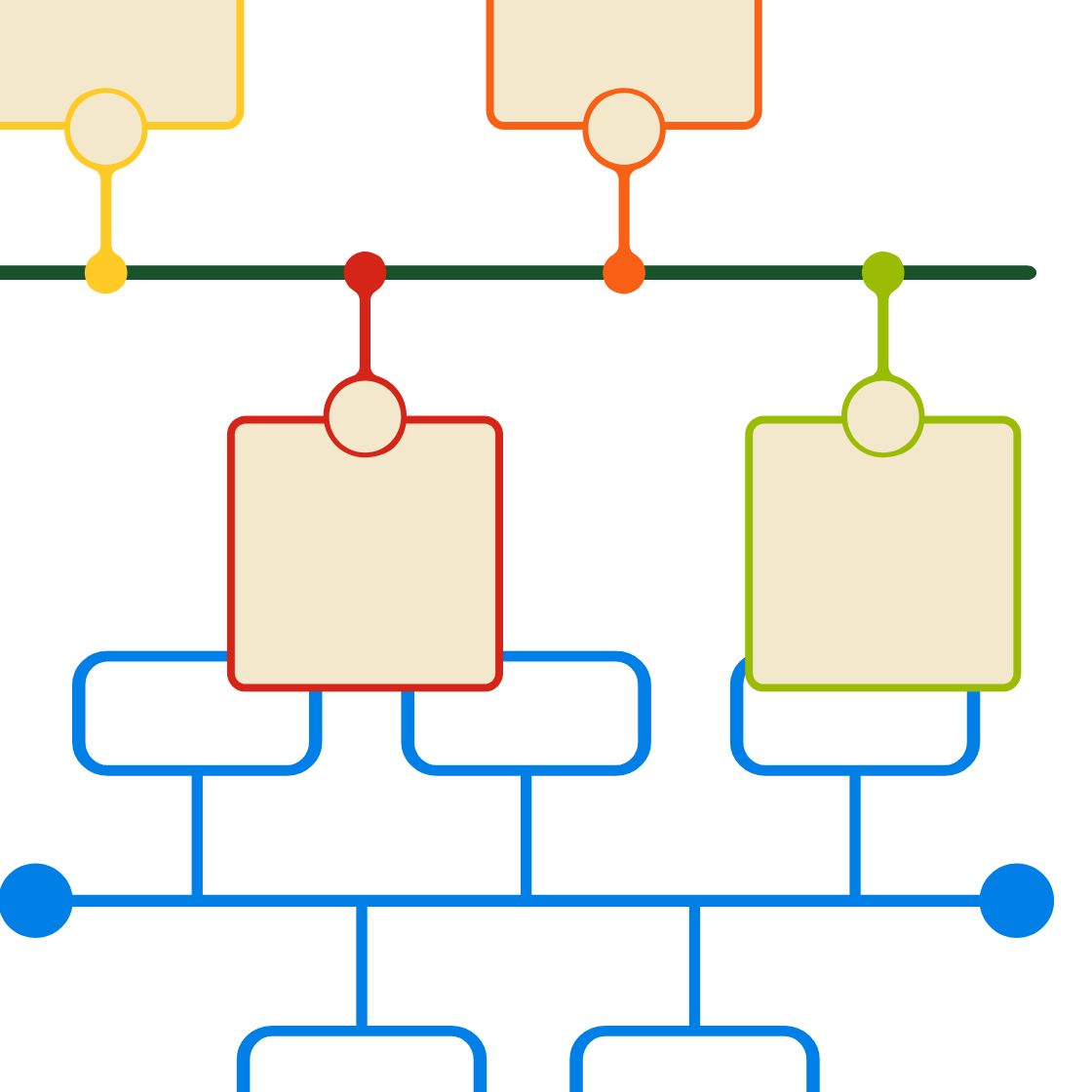
A common experiences reported by caregivers when a child comes out is the feeling that the information appeared suddenly. For the youth, however, the experience is often very different.
Many LGBTQ+ young people have spent months or years exploring, questioning, understanding, and making meaning of their identity long before they share it with others. As a result, parents and caregivers may feel as though they have just started a journey that their child has already been traveling for a long time.
This discrepancy can create confusion, fear, and disconnection.
The Critical Events Timeline is a family assessment tool used by ESFT practitioners that helps bridge this gap. For example, having the caregiver and youth create separate timelines. The youth maps their internal journey, while the caregiver reflects on memories and experiences they now see differently in hindsight. When the timelines are shared, families often discover a deeper understanding of one another. The therapist should make sure that they are aware of psychological and physical safety challenges that could arise due to this exercise.
Example two, a youth identified multiple stages in their gender journey, including different periods when they internally experimented with names and pronouns before ever discussing them with family members. They also identified important milestones such as confiding in a cousin and later sharing their identity with their mother. Meanwhile, the mother reflected on experiences she had not fully understood at the time. Looking back, she recognized signs she had missed and gained a richer appreciation for her child’s journey.
The result was not merely increased information—it was increased connection.
Through an ESFT lens, timelines help families enact meaning together. They transform what can feel like a sudden revelation into a coherent story. They highlight resilience, growth, courage, and the many steps that led to the present moment. Perhaps most importantly, timelines help families shift from “How did this happen?” to “Help me understand your journey.” That shift often becomes the foundation for deeper empathy, stronger attachment, and a more collaborative path forward.
CLICK HERE and subscribe to newsletter and get the password for the blog.