One of the greatest misconceptions about systemic family therapy is that therapists must choose between changing behavior or changing relationships. In reality, effective systemic therapy requires both first-order (behavioral) and second-order change (relational). The question is not whether we use each type of change, but when, why, and how we use them.
From an Ecosystemic Structural Family Therapy (ESFT) perspective, these two forms of change are complementary, not competing. The therapist’s task is to understand which type of change is needed at a particular moment and to intervene intentionally.
First-Order Change:
First-order change refers to behavioral changes within the existing relational framework. The current beliefs, assumptions, and organization of the family remain intact, but the interactions begin to look different.
Examples include:
- A caregiver begins using a new parenting strategy.
- Family members reduce the frequency of arguments.
- A youth begins attending school more consistently.
- Parents implement a new bedtime routine.
- A family develops a safety plan during times of crisis.
These changes are valuable. They often reduce immediate distress, increase safety, and create opportunities for new experiences. In many situations—particularly when there is risk, instability, or crisis—first-order change is essential. However, behavioral changes alone do not necessarily alter the family’s understanding of themselves or one another.
Without a deeper shift in meaning, new behaviors are difficult to sustain. Under stress, families often return to familiar interactional patterns because the framework organizing those relationships has not changed.
Second-Order Change: Changing the Framework
Second-order change occurs when the family transforms how they understands the problem they are facing and organizes itself. Rather than simply behaving differently, family members begin making meaning differently. How they think, feel, relate is all informed by the new meaning making; a new framework now guides the way people relate. Hence the importance of REFRAMING!
A caregiver who once viewed their teenager as “defiant” may begin seeing behaviors as attempts to communicate fear, shame, or disconnection. A parent who believed asking for help was a sign of failure may begin understanding that accepting support is an act of leadership. A family that viewed conflict as evidence of failure may begin seeing conflict as an opportunity for repair and deeper connection. These shifts reorganize the entire system. When meaning changes, behavior often follows naturally because family members are no longer responding from the same assumptions that previously maintained the problem.
Why ESFT Leads with Second-Order Change
In ESFT, therapists intentionally lead with second-order change. This does not mean behavior is unimportant. It means behavior is understood within a broader relational context. Rather than asking, “How do I stop this behavior?” the therapist asks, “What framework currently makes this behavior understandable?” (MAKE THE BEHAVIOR MAKE SENSE IN CONTEXT).
By first helping families reorganize how they understand themselves, each other, and the problem, behavioral interventions become far more meaningful and sustainable. The therapist is not simply teaching a new skill. The therapist is helping create conditions in which the family naturally begins relating differently.
Pulling in First-Order Change Intentionally
Leading with second-order change does not mean ignoring behavior. There are many moments when deliberate first-order interventions are both necessary and ethically responsible. A therapist may coach caregivers through de-escalation strategies when safety is at risk. A family may develop routines that increase predictability for a child with developmental needs. Parents may practice co-regulation techniques or communication skills during enactments.
These behavioral interventions are not used because therapists believe behavior alone creates lasting change. They are used intentionally because they support, reinforce, or create opportunities for deeper relational transformation towards the positive interactional pattern. In ESFT, first-order change serves second-order change.
The Therapist Is the Agent of Intervention
This distinction also reshapes how therapists understand their own role. One of the core convictions of ESFT is that the therapist is the agent of intervention—not the agent of change. Therapists cannot make families trust one another. They cannot create attachment. They cannot force insight or manufacture hope. All of this has to come from the family itself.
What therapists can do is introduce interventions that create opportunities for the family to experience themselves differently. Joining, reframing, enacting and anchoring, as well as, family assessment tools, and deliberate engagement with the family’s social ecology all invite the system to reorganize itself. The family remains the true agent of change.
A More Intentional Way of Thinking
Therapists sometimes become stuck when they focus exclusively on either behavior or insight. If we only pursue first-order change, families may leave treatment with better coping skills but the same organizing beliefs that maintained the problem. If we only pursue second-order conversations without helping families practice new ways of interacting, meaningful insights may never become lived experiences. ESFT invites a more integrated approach.
Lead with second-order change. Help families develop a new framework for understanding themselves and one another. Then intentionally introduce first-order interventions that allow those new understandings to be practiced, strengthened, and generalized across everyday life.
This is where lasting transformation occurs. Not because the therapist changed the family. But because the therapist created opportunities for the family to change itself. That is the power of systemic family therapy.
CLICK HERE and subscribe to newsletter and get the password for the blog.
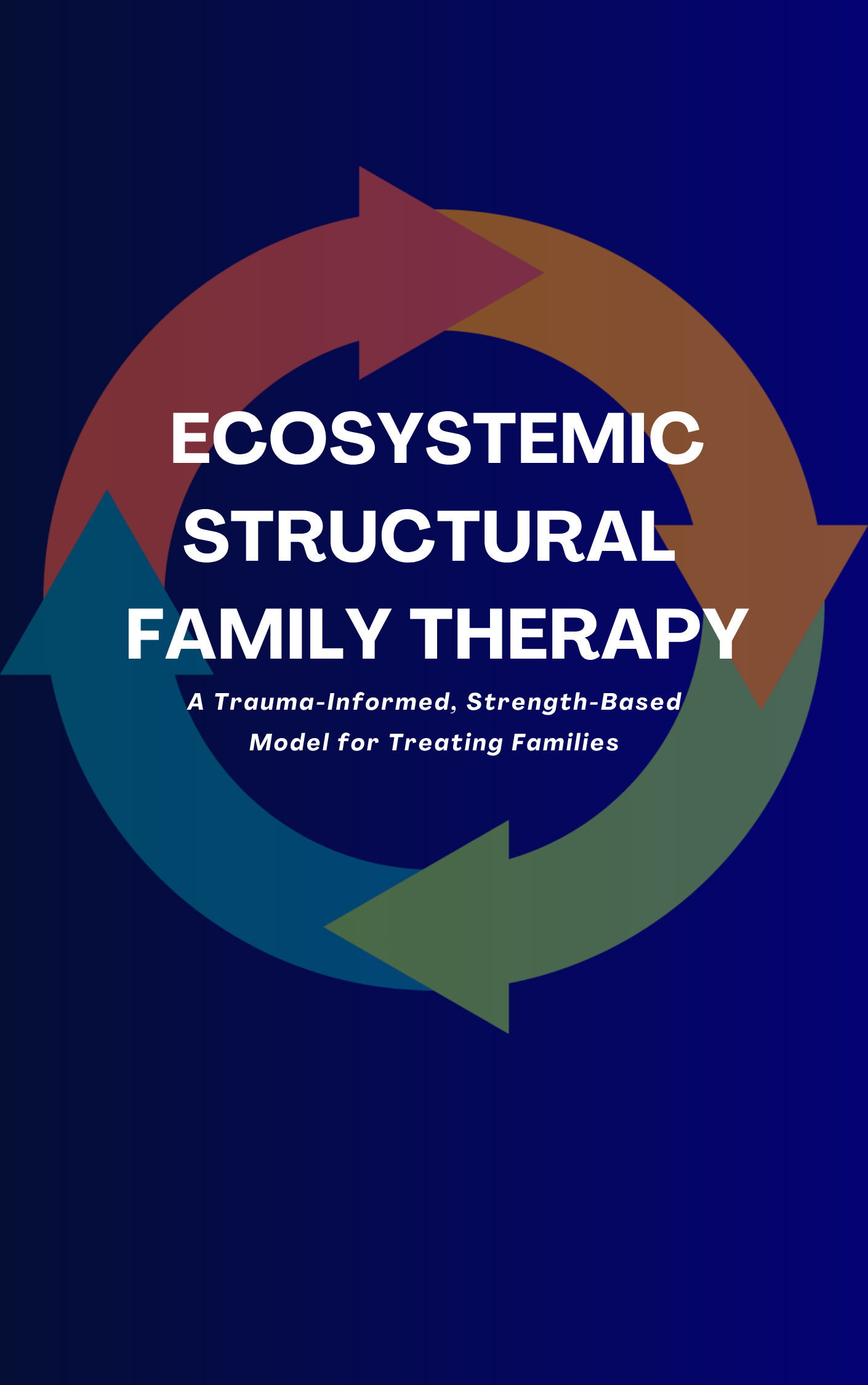
Check out the release of our upcoming book Fall 2026, philafamilybooks.com