
Author: Jennifer Benjamin

  • 2026 Marion Lindblad-Goldberg Award Nominee: Andrew Ghali, Staff

    #MLGaward2026nominee #ESFT #FBMHSinPA

    Dear Committee,

    Andrew is a healer. His superpower is in how he sees the best in people
    even when they are showing their worst. He sees and understands
    symptoms through an attachment-based, systemic trauma-informed lens.
    His gracefulness in these regards cultivates safety while at the same time
    inspires those in his presence to do the same… to grow and stretch
    themselves. He focuses on working collaboratively with the whole system,
    while at the same time partnering primarily with caregivers to promote
    their leadership. He is so effective at this because of how gracefully he
    applies his belief… that people always have more than they show… to each
    family member starting with the caregivers.


    Andrew embraces his village of colleagues, and both seeks and provides
    support. He is vocal and active with his peers in eliciting and offering
    feedback. He assertively and courageously pursues ongoing growth as an
    ESFT clinician.


    He deeply trusts himself, the ESFT convictions and his connections with his
    village of support when facing unknowns and challenges that seem
    impossible. Our PHMC FBS leadership team has intentionally assigned
    Andrew to clients with extremely high-risk challenging NIPs given our
    confidence in him, and he has willingly and enthusiastically embraced
    these assignments professing his compassion, trust and commitment to
    his own growth.


    I have been supervising, training and witnessing Family Based Therapists
    in their practice of ESFT for two decades. In my witnessing, there are only
    a very few that match the depth of Andrew’s embracing, practicing and
    promoting the values and convictions of ESFT.

    Sincerely,

    Bill Mayer, LMFT

    Program Director, PHMC

    CLICK HERE and subscribe to newsletter and get the password for the blog.

  • From Child to Family to Community: Understanding Trauma Through an ESFT Lens

    Any time you have a traumatized child, you have a traumatized family.
    Any time you have a traumatized family, you have a traumatized community.

    #traumainformed #esft

    From an Ecosystemic Structural Family Therapy (ESFT) perspective, the interconnectedness of trauma is not just a metaphor—it’s a lived reality. Trauma doesn’t reside in one person alone. When a child exhibits symptoms of trauma—such as dysregulation, withdrawal, aggression, or anxiety—it’s easy to focus solely on the child. However, ESFT asks us to broaden our view. Trauma is embedded within relationships, shaped by caregiver responses, family stressors, historical and generational experiences, and the community context. When we recognize a traumatized child, we also acknowledge that caregivers may be overwhelmed, fearful, or uncertain, families are adapting under stress without adequate support, and the larger network may be strained or under-resourced.

    The family serves as the immediate system, and trauma has the power to reorganize it. This disruption can affect attachment (the sense of safety between caregiver and child), parental leadership (confidence, consistency, authority), co-regulation (the shared ability to manage distress), and co-caregiver alliance (alignment between adults). Caregivers may become more reactive, protective, or distant—not out of indifference, but because they too are affected. The child’s symptoms often reflect a system under stress, not just an individual problem.

    ESFT expands this perspective even further, recognizing families as part of a larger social ecology—including schools, neighborhoods, cultural beliefs, healthcare systems, and economic conditions. When communities face violence, poverty, systemic inequities, or limited access to resources, families absorb those pressures. Consequently, children are deeply impacted by the strain their families experience. Trauma becomes layered and interconnected: community stress influences family functioning, family stress impacts child behavior, and the focus frequently lands on the child, without addressing the broader system.

    Rather than asking, “What’s wrong with this child?” ESFT encourages us to ask, “What has this child, this family, and this community experienced—and how is that showing up here?” This shift promotes understanding over blame, emphasizes relational patterns instead of individual pathology, and aims for systemic change rather than simply reducing symptoms.

    Although this perspective can feel overwhelming, it clarifies where meaningful intervention begins. We don’t have to “fix” the entire community to create change. Instead, we focus on strengthening caregiver capacity, increasing safe and consistent connections within the family, supporting co-regulation and relational repair, and helping families access community supports. When a family begins to shift, there’s a ripple effect—the child feels safer, family interactions improve, and community engagement changes.

    This approach also places responsibility on clinicians, organizations, and systems of care. If trauma exists across multiple levels, healing must occur across those levels as well. Trauma-informed care should extend beyond the individual, interventions must account for family and ecological context, and systems need to collaborate rather than operate in isolation.

    A traumatized child is never just a traumatized child; they are part of a family striving to adapt, and that family is embedded within a community facing its own challenges. Within this complex web lies both the source of the problem and the pathway to healing. In ESFT, change does not occur in isolation—it happens when we begin to see and support the system as a whole.

    CLICK HERE and subscribe to newsletter and get the password for the blog.

  • 2026 Marion Lindblad-Goldberg Award Nominee: Amber Berkoski, Supervisor

    #ESFT #MLGAWARD #faculty #supervisor

    Dear PCFTTC,

    It is with deep respect and wholehearted enthusiasm that we nominate Amber Berkoski, LMFT, PhD, ACS, for the Marion Lindblad-Goldberg Award. Amber embodies the spirit, mission, and relational philosophy that Dr. Marion Lindblad-Goldberg championed throughout her life, the belief that through systemic and relational interventions, we can heal disengagement and cultivate belonging, one family at a time. 

    Amber does not simply lead a department at Creative Health Services, she cultivates a living, breathing ecosystem. As Director of Family Based Services overseeing more than 25 clinicians and support staff, she consistently maintains a systemic lens that honors both the “whole” and the “parts.” Her leadership reflects a deep appreciation of isomorphic process across administration, supervision, clinical teams, and the families we serve. She routinely highlights how patterns that emerge in families can mirror patterns within teams and organizational structures, and she does so in a way that is direct, grounded, and strength-based. Under her guidance, clinicians are invited not only to intervene systemically with families but to examine their own relational processes within supervision and team dynamics. This is not theoretical for Amber; it is lived practice. 

    Amber masterfully balances professional boundaries with authentic collaboration. She carries the expertise of her training and scholarship with humility and accessibility. She understands that authority and collaboration are not opposites but partners in growth. In supervision, she models a stance that is clear, consistent, and boundaried, while simultaneously deeply relational.  Clinicians experience her as both a steady anchor and a collaborative thought partner. She builds competence by drawing out strengths already present within the system, whether in a struggling caregiver, a developing clinician, or a supervisory team navigating complexity. Through this balance, she fosters trust and empowers others to step more confidently into their roles.

    Her engagement in social ecology is both deliberate and embodied. Amber demonstrates an ongoing commitment to understanding how identity, culture, power, and lived experiences shape relational patterns and access to resources. She invites critical reflection, not as an academic exercise, but as a pathway toward deeper connection and ethical responsibility. She is aware of her own zone of proximal development and models deliberate practice, consultation, and utilization of support systems as essential components of professional growth. In doing so, she normalizes learning as an ongoing, relational process rather than a fixed state of expertise. 

    Amber has a rare ability to make the most of intensity and crisis. Where others might see chaos, she sees opportunity for second-order change. In moments of system distress whether clinical, supervisory, or administrative, she holds steadiness and perspective. She supports others with making meaning and identifying the relational patterns beneath surface behavior. Rather than reacting to urgency alone, she keeps transformation in view. Amber supports teams with nurturing new relational patterns, and increasing capacity rather than simply resolving the immediate problem. Her leadership during crises communicates confidence in growth, not fear of breakdown. 

    Perhaps most remarkably, Amber assesses with complexity while acting with simplicity. Her conceptualizations are layered, trauma-informed, relational, contextual, and developmentally responsive. She understands the complex interaction between attachment, family systems, power dynamics, and organizational structures with depth and nuance. Yet when she communicates, her words are clear, grounded, and validating. Clinicians leave conversations feeling both understood and practically guided.  She embodies the principle that complexity belongs in the thinking and clarity belongs in the doing, emphasizing that deliberate practice is essential for clinicians to perform at their highest level in the field. 

    Amber Berkoski exemplifies what it means to believe wholeheartedly in people, in their capacity to grow, repair, and belong. She cultivates competence without shame, accountability without disconnection, and leadership grounded in collaboration.  She honors the relational fabric that connects families, clinicians, supervisors, and systems, and she strengthens that fabric every day through intentional, systemic practice.  For these reasons and more, Amber Berkoski stands as a living reflection of Dr. Marion Lindblad-Goldberg’s legacy. She makes the world a better, brighter, and more connected place, one family, one clinician, and one system at a time.   It is our honor to nominate her for the Marion Lindblad-Goldberg Award.

    Sincerely,

    Her Clinical Supervisors

    CLICK HERE and subscribe to newsletter and get the password for the blog.

  • 2026 Marion Lindblad-Goldberg Award Nominee: Zack Elisio, Trainer

    #image_title

    Dear committee members,

     I am honored to nominate Zack Elisio for the Marion Lindblad-Goldberg Award. Zack exemplifies a deep and unwavering commitment to maintaining a systemic perspective, balancing professional boundaries with authentic collaboration, and fostering meaningful change across every level of the eco-systemic model. His work consistently reflects the core values of Eco‑Systemic Structural Family Therapy—competence, connection, social ecology, and purposeful simplicity in the midst of complexity. In every clinical, didactic, and supervisory training I have attended with him, Zack models what an ESFT therapist, supervisor, and leader should strive to be.

    Zack consistently guides supervisors and clinicians to view families and their surrounding communities as interconnected systems. He has a remarkable ability to illuminate patterns, highlight reciprocal influences, and co‑discover how each element within a system shapes the others. Through intentional framing questions, he shifts thinking in ways that deepen insight and broaden perspective. His use of ESFT‑focused assessments extends beyond the client–clinician relationship, helping us examine the parallel processes within the clinician–supervisor and supervisor–trainer relationships.

    In every training, Zack embodies the collaborative coding scale. His balance of validation and challenge creates an environment where supervisors and clinicians feel both safe and stretched. Over the three years I have been part of his supervisor cohort, he has consistently encouraged us to use our ecosystems as sources of professional support. He remains grounded in the model while empowering us to recognize and activate our own internal and external resources, strengthening our sense of competence and connection.

    Zack is deeply attuned to the social ecology of the training environment. He prioritizes safety, inclusivity, and productive learning, and he takes thoughtful, active steps to reflect, seek feedback, and implement changes that enhance the group’s functioning. When any member of the cohort feels hurt, dismissed, or marginalized, Zack addresses the situation with discretion, directly, and compassionately. His ability to repair ruptures and maintain a supportive environment is widely recognized and deeply appreciated.

    Zack has instilled in me and my staff the understanding that moments of intensity and crisis are powerful opportunities for joining, reframing, enacting, and anchoring change. He skillfully co‑discovers with supervisors and clinicians how to harness these moments to create meaningful movement. His approach transforms what could feel overwhelming into opportunities for clarity, connection, and growth.

    One of Zack’s most notable strengths is his ability to distill complex processes into concise, impactful statements. Whether conceptualizing cases, integrating didactic material, exploring person‑of‑the‑therapist themes, or drawing parallels between supervision and clinical work, he consistently identifies the core process at play. His summaries are not only insightful—they help clinicians and supervisors internalize key concepts in ways that feel accessible and actionable.

    Zack is an exceptional trainer whose passion for Eco‑Systemic Structural Family Therapy is evident in every interaction. He is deeply devoted to educating others, committed to the integrity of the model, and gifted in collaborating with individuals and groups to create meaningful, lasting change. For these reasons, I wholeheartedly nominate Zack Elisio for the Marion Lindblad-Goldberg Award.

    Thank you,

    Rebecca Bowman, BS

    Laurel Life FBMHS Supervisor

    CLICK HERE and subscribe to newsletter and get the password for the blog.

  • 2026 Marion Lindblad-Goldberg Award Nominee – Supervisor Rachel Fritz

    #ESFT #MLGaward #youearnedit

    Dear PCFTTC,

    Rachel Fritz, the Program Director of RHA, deserves to be recognized for her relentless pursuit in developing staff who are model adherent in both systemic thinking and practice. Rachel maintains a systemic perspective. Rachel challenges herself to consider isomorphic processes in a way to make meaning of what is occurring relationally between herself, the staff, and the families they serve. Rather than viewing induction as shameful, Rachel uses the isomorphic process as an opportunity to deepen joining with her staff so they can deepen their joining with the families they serve. Furthermore, Rachel maintains balance between professional boundaries and collaborative relationships to foster positive change and competence. Rachel recognizes the accomplishments of her staff and works with her staff to recognize the accomplishments of families, believing that families are their best resource for change.

    In addition, Rachel engages in social ecology regularly and in a proactive manner. Rachel is incredibly adherent to utilizing assessment tools, particularly the Eco-Map, to help staff anchor changes within the family’s socialecology. Isomorphic to this process, Rachel often engages in self-reflection and her own practice of utilizing her professional Eco-Map to understand how her own lived experiences and social ecology enter the supervisory relationship. Rachel has identified her growth edge of continuing to work second order change through her teams and does so through the lens of what is most importantto staff’s growth and development and that of their families, even if uncomfortable. Lastly, Rachel assesses with complexity while acting with simplicity. During training, Rachel has been an invaluable alliance member in engaging in process versus context, often punctuating the smallest change in the relational process between the presenting staff, cohort, and family can lead to a larger change in the overall symptomology of the child and family. I highly recommend Rachel Fritz for the Dr. Marion Lindblad-Golberg Award because I believe she exemplifies all five qualities confidently and competently.

    Sincerely,

    Jerome Williams, LSW

    Cohort Trainer

    CLICK HERE and subscribe to newsletter and get the password for the blog.
  • Protected: Finding the Small Moments by Tracking Validation and Invalidation

    This content is password-protected. To view it, please enter the password below.

  • April Newsletter 2026

    #esft #pcfttcnewsletter #systemicfamilytherapy

    We’re excited to share several meaningful updates and opportunities from the Training Center this month. From celebrating excellence in the field to continuing our commitment to trauma-informed practice, there’s a lot happening across our community.

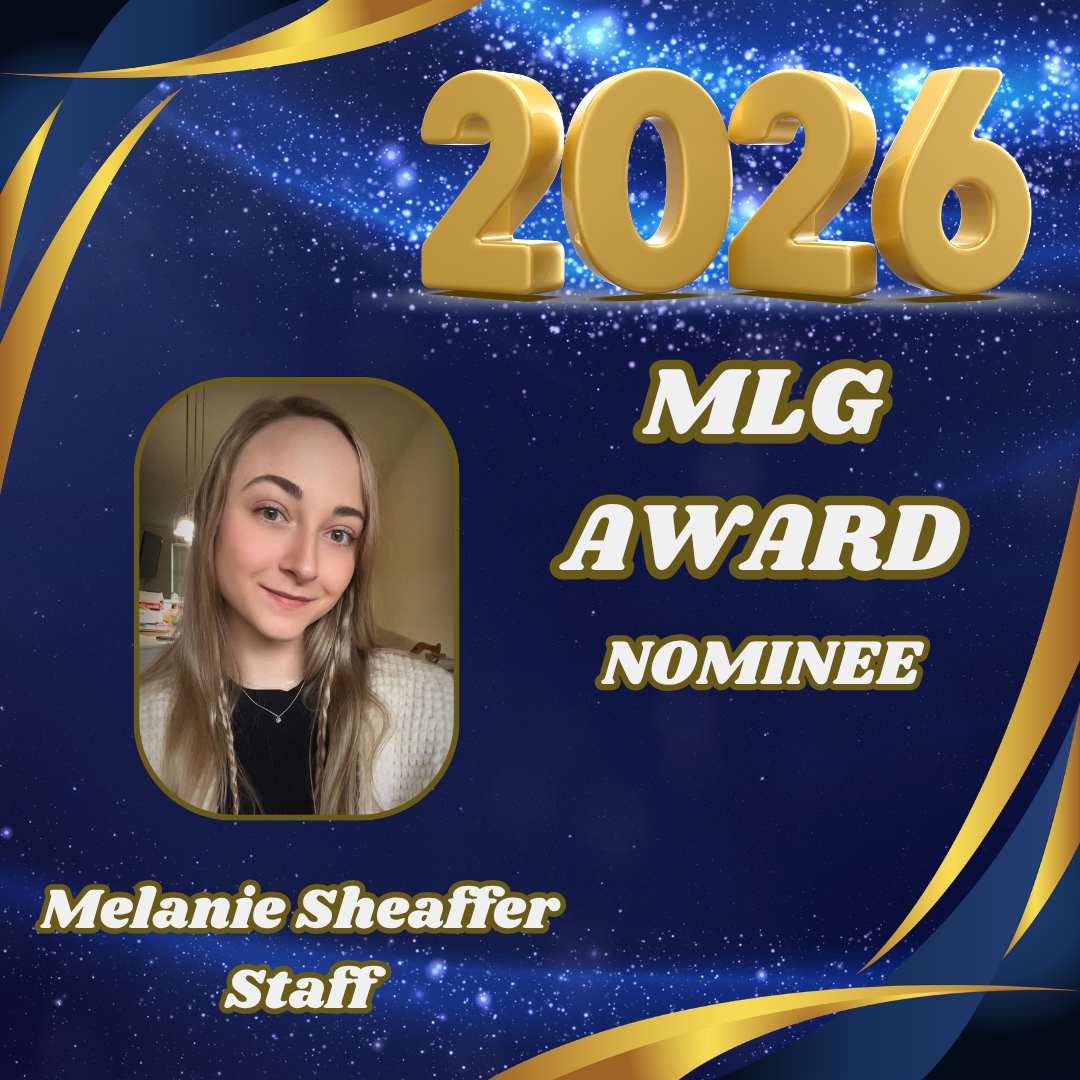
    Nominees Announced: 2026 MLG Award
    We are proud to recognize this year’s nominees for the 2026 MLG Award. Each individual reflects a deep commitment to systemic thinking, clinical excellence, and service to families. We look forward to highlighting their work and celebrating their contributions in the coming weeks.

    Honoring a Pioneer
    This season, we also take time to honor a pioneer, Dr. Edna Foa, whose work has helped shape the foundation of trauma treatment. Her contributions will continue to influence how we support those in our community.

    Trauma-Informed Care in Practice
    As we continue to deepen our focus on trauma-informed approaches, we remain committed to supporting professionals in understanding how trauma shows up across family systems, and the need to “provide options” if we are going to be trauma informed.

    Register for Our Free CE Program
    We invite you to join us for our last free Continuing Education (CE) program for the training year. Whether you are a clinician or a supervisor you will want to be present. Learn about all things isomorphic. Be sure to reserve your spot and stay connected for upcoming offerings later this year.

    Thank you for being part of our community and for your continued dedication to the families you serve.

    TO GET ACCESS TO THE NEWSLETTER SUBSCRIBE TO THE BLOG: https://pcfttc.com/subscribe/

  • Is it an “individual based” challenge or a “family based” challenge?

    #ESFT #pcfttc

    Looking Beyond the Individual

    In clinical practice, it is common for families to enter treatment with a clearly identified concern—“fix my child.” The referral behaviors consist of “defiance, tantruming, hurting self and others…and not listening to me…” The family will report, the child is diagnosed with ADHD.

    Now folks, ADHD is a constellation of symptoms, these are the measurable constructs that signal how this child’s brain navigates the day to day. However, the focus quickly narrows to how those symptoms show up: impulsivity, inattention, difficulty regulating behavior.

    But from an Ecosystemic Structural Family Therapy (ESFT) perspective, this is only the starting point—not the full picture.

    A systemic family therapist is always asking a broader question:

    Is the referral behavior an individual-based challenge, or is it organized within the family system?

    The Individual Within the System

    Systems theory reminds us that individuals do not exist in isolation. Every person is embedded within a biological network of relationships, environments, and experiences that shape how behaviors are developed and maintained.

    So while a diagnosis like ADHD may accurately describe a constellation of symptoms, ESFT invites us to look beyond the individual and ask:

    • Who is involved in this pattern?
    • What interactions are maintaining it?
    • Where is this behavior occurring—and where is it not?

    This shift moves us from a symptom-focused lens to a contextual, developmental, relational and trauma informed understanding.

    Expanding the Assessment: The Role of Social Ecology

    In ESFT, understanding the family system means understanding the social ecology surrounding it. The therapist is not only observing behavior but also gathering information about the conditions that shape the family’s functioning.

    We begin to ask:

    • Is there food insecurity or housing instability impacting daily routines?
    • Are there challenges related to income instability or access to resources?
    • What adverse childhood experiences (ACEs) are present across generations?
    • Is the family navigating acute stress, medical concerns, or trauma exposure?
    • Are there generational patterns of mental health needs that resulted in developmental trauma and inform current functioning?

    These factors are not secondary—they are central to understanding how the family “got here.” BOTH their story of dislocation and their story of resiliency and strengths.

    Community and Cultural Context Matter

    ESFT also widens the lens beyond the household to include the community and cultural environment.

    • What are the beliefs within the family’s community about behavioral or mental health challenges? How does this influence who this family turns to?
    • How do schools, healthcare providers, and other systems respond to this family?
    • Are supports experienced as helpful, judgmental, or inaccessible?
    • Generationally what are the experiences of formal and informal supports?

    The way a community interprets and responds to behavior can either reinforce distress or support change.

    For example, if a child’s behavior is consistently labeled as “defiant” without consideration of context, the family may feel blamed or misunderstood. This can increase stress, reduce engagement with supports, and intensify the pattern.

    From Blame to Understanding

    When we focus only on the identified client, we will place pressure on one individual to “fix” the problem. ESFT challenges this by reframing behavior as part of a larger interactional system.

    This does not dismiss individual needs—it situates them within context.

    A child’s difficulty with attention and regulation may be influenced by:

    • Environmental instability
    • Caregiver stress or overwhelm
    • Inconsistent routines shaped by external pressures
    • Limited access to supportive resources

    Understanding these factors allows the therapist to move from blame to curiosity, and from symptom management to systemic intervention.

    Why This Matters for Change

    When we understand referral behavior systemically, the pathway for intervention expands.

    Instead of asking, “How do we fix this child?”, we begin asking:

    • What strengths do we already have we can use to support this child?
    • How do we strengthen the system around this child?
    • How do we increase stability, support, and connection?
    • Can we practice right now to shift patterns that maintain the behavior?

    This is where meaningful, sustainable change occurs.

    Final Thought

    In ESFT, the identified client is never the whole story.

    The client serves as the entry point into a system that is doing its best to adapt to a complex set of circumstances. When we take the time to understand the “who, what, and where” of that system, we move closer to interventions that are not only effective—but also compassionate, contextual, and lasting.

    Because when we change the system, we change what is possible for every individual within it.

  • 2026 Marion Lindblad-Goldberg Award Nominee – Supervisor Becca Bowman

    #MLGAwardNominee #ESFT-FBMHS #systemicthinker

    We are proud to recognize Becca Bowman as a nominee for the 2026 Marion Lindblad-Goldberg (MLG) Award in the Supervisor category. Becca’s leadership reflects a deep and sustained commitment to the five core values that define this award.

    Maintains a Systemic Perspective

    Becca consistently approaches supervision through a systemic lens. She helps clinicians hold awareness of the whole ecosystem—family dynamics, organizational context, and their own developmental edge—while thoughtfully addressing the parts. Her supervision moves beyond isolated interventions and instead works to fosters second-order change across systems.

    Balances Professional Boundaries with Collaborative Relationships

    Becca creates a supervisory environment where clinicians feel visible, valued, and worthy. At the same time, she maintains clear professional boundaries that promote accountability and growth. Her leadership reflects a powerful balance—supportive yet challenging, collaborative yet grounded in expertise. This balance strengthens competence and builds professional confidence.

    Engages in Social Ecology

    Becca models deliberate authenticity in her leadership. She demonstrates awareness of how identity, context, and lived experience shape both clinicians and families. By encouraging reflection and self-awareness, she fosters growth that is relational, contextual, and grounded in the realities of the systems in which clinicians operate.

    Makes the Most of Intensity and Crises

    Rather than retreating from difficult moments, Becca uses them as opportunities for development. She helps clinicians recognize their capacity in high-intensity situations and guides them in responding with intentionality rather than reactivity. Her steady presence during challenge reinforces the belief that growth is often forged in complexity.

    Assesses with Complexity While Acting with Simplicity

    Becca’s understanding of people and systems is nuanced and genuine. Yet those she supervises experience her communication as clear, grounded, and accessible. She translates complexity into actionable guidance, helping clinicians feel capable and focused rather than overwhelmed.

    Through her commitment to these five values, Becca Bowman fosters confidence, competence, and professional growth within her team. Her leadership strengthens clinicians, enhances systems, and ultimately supports better outcomes for families.

    We are honored to celebrate Becca as a 2026 MLG Award nominee and grateful for the intentional, authentic supervision she provides every day.

  • Empathetic Engagement

    Put yourself in someone else’s shoes…

    (PCFTTC does not have any religious affiliation with the recording entity, nor do they have any conflict of interest, or financial disclosures to make.)