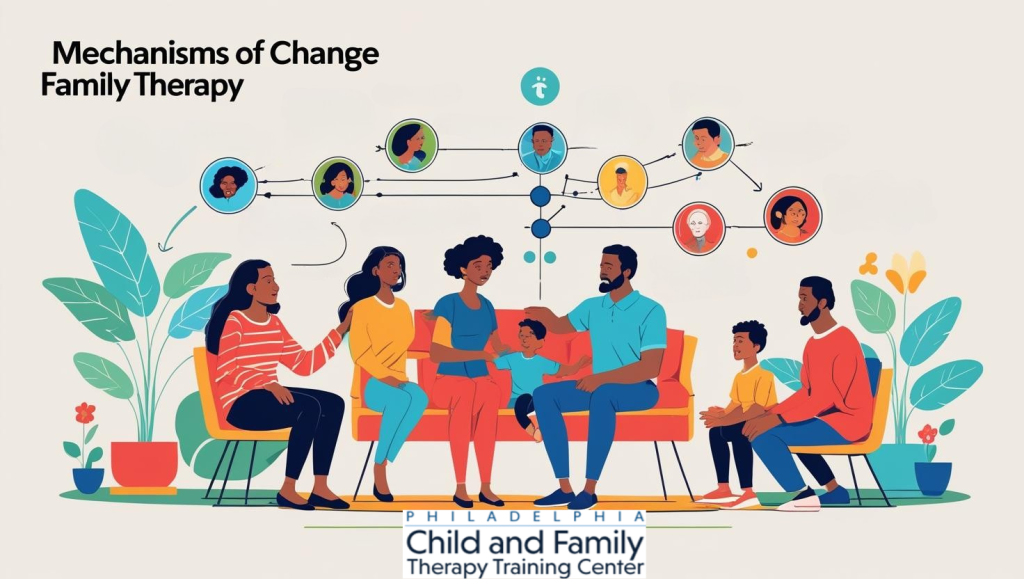
One of the foundational assumptions of Ecosystemic Structural Family Therapy (ESFT) is that people do not heal in isolation. Children, adolescents, and adults are embedded within multiple layers of their system – families, schools, communities, faith traditions, peer groups, etc. that shape how they understand and respond to others.
When working with LGBTQ+ youth and their families, an Ecomap can be a powerful family assessment tools to assist the professional in understand how dislocation shows up in the ecosystem and who, what and where is for the youth and family.
Often professional can get stuck in a back and forth with caregivers to increase supportiveness or draw attention to what is not supportive of a child’s gender identity or sexual orientation. While this information is important, it isn’t addressing “how they got here.” An Ecomap allows clinicians and families to step back and examine the broader ecosystem influencing the family’s beliefs, rules, traditions and experiences in real time.
For example, a caregiver may be highly supportive of their child while simultaneously feeling isolated within their church, neighborhood, or extended family. A youth may experience acceptance at home but encounter rejection at school. Another family may identify their faith as a major source of strength but struggle to find a religious community that affirms their child’s identity.
Through an ESFT lens, these observations are not simply background information—they are opportunities for intervention. The Ecomap helps therapists identify existing strengths that can be anchored and expanded. It also highlights gaps in support that may be contributing to stress, isolation, and conflict. For example, a family disconnected from affirming faith communities may benefit from connection to an LGBTQ+-affirming congregation. A youth who feels isolated at school may benefit from participation in a Gay-Straight Alliance (GSA) or local LGBTQ+ youth organization. A parent struggling alone may find support and validation through parent groups made up of other caregivers navigating similar experiences.
The goal is not merely to reduce life threatening/life altering behaviors. The goal is to strengthen the family’s use and access of their ecosystem and disrupt dislocation. When support broadens, relational challenges can become more solvable. Families gain access to new perspectives, additional resources, and opportunities for connection. Youth and caregivers can experience new opportunities for belonging. Lasting change occurs when families are connected to people, places, and communities that reinforce safety, acceptance, and hope.
CLICK HERE and subscribe to newsletter and get the password for the blog.
or
Visit philafamilybooks.com for more on the upcoming book launch.