
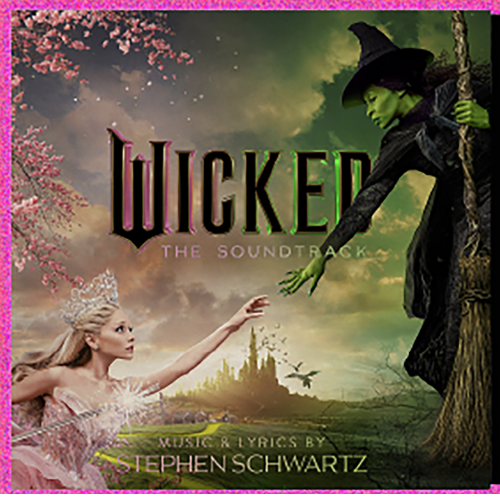
🌪️ A playful, clinically grounded way to think about family dynamics through the world of Oz
Elphaba — The “Identified Patient” Who Carries the System’s Anxiety
Elphaba represents the youth who is labeled as “the problem” simply because the system doesn’t understand or accommodate their uniqueness.
In ESFT terms, she is the symptom bearer—not because she’s broken, but because her family, community, and social ecology project their fears and failures onto her.
Her journey mirrors the work of helping a child reclaim identity, voice, and relational belonging.
Glinda — The Caregiver Who Uses Performance to Maintain Harmony
Glinda embodies the caregiver (or sibling) who copes through positive affect, charm, and high sociability.
Her role keeps peace but often hides insecurity.
In systemic therapy, she symbolizes the family member whose over-functioning or “performer” role helps stabilize the system—but prevents vulnerability.
Her friendship with Elphaba demonstrates the healing power of authentic connection.
Fiyero — The Avoidant Attachment Partner Afraid to Choose
Fiyero mirrors the person in the system who avoids emotional engagement—“fun,” charming, but disconnected.
He represents a protective adaptation, not a flaw.
Through relationship with both Glinda and Elphaba, he learns the core principles of systemic change:
- Responsibility
- Presence
- Emotional risk-taking
The Wizard — The Larger System That Creates the Problem It Claims to Solve
The Wizard symbolizes structural forces—policies, institutions, and leaders—that blame individuals while perpetuating dysfunction.
He is the metaphor for:
- Oppressive systems
- Pathologizing narratives
- Blame-shifting structures
In family therapy terms, he is the “macro-system stressor” shaping how families respond to crisis.
Madame Morrible — The Rigid Hierarchy That Reinforces Dysfunction
Morrible represents the family system’s coercive hierarchy—a figure who uses fear, control, and manipulation to maintain order.
Her “weather patterns” metaphorically mirror how emotional climates in families are often shaped by the most powerful or reactive members.
Nessarose — The Child Caught in the Bind of Overprotection
Nessarose is the sibling who receives intense focus—overprotection disguised as care.
Her storyline reflects how enmeshment and over-dependence can limit growth and create resentment, despite good intentions.
Her dynamic with Elphaba shows what happens when families assign fixed roles (“the responsible one,” “the helpless one”).
Boq — The Marginalized Member Who Adapts Until He Breaks
Boq embodies the overlooked, underheard member of the system who tries to earn belonging through compliance.
His unmet needs eventually transform him—literally—revealing how suppressed emotions can reshape functioning.
He is the metaphor for accommodation patterns and role strain.
Dr. Dillamond — The Silenced Voice of Wisdom
Dillamond represents the voice in the system that sees the truth but is ignored or suppressed.
He symbolizes the disenfranchised perspective—the teacher, elder, or natural support whose insight is essential to systemic change, but often marginalized.
Dorothy (Part 2) — The Newcomer Who Exposes Existing Fault Lines
Dorothy is the outsider whose arrival destabilizes a fragile system.
Her presence reveals:
- unresolved grief
- fractured alliances
- long-standing injustices
She is the catalyst that forces the system to confront its hidden patterns.