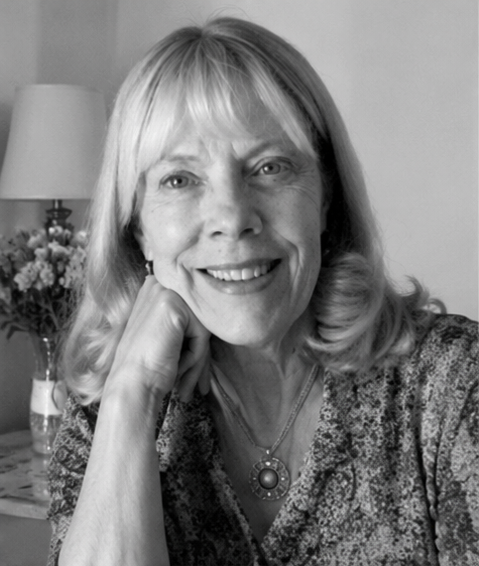
Through decades of clinical work, teaching, supervision, and innovation, she helped transform a groundbreaking training institute into one of the nation’s most respected centers for family-based behavioral health treatment and education. The story of the Philadelphia Child and Family Therapy Training Center (PCFTTC) is deeply intertwined with the history of modern family therapy itself.
The Origins: Salvador Minuchin and Structural Family Therapy
The Training Center’s roots trace back to 1975, when renowned psychiatrist and family therapist Salvador Minuchin founded a systemic family therapy training program connected to the Philadelphia Child Guidance Clinic at the Children’s Hospital of Philadelphia.
Minuchin revolutionized the mental health field through the development of Structural Family Therapy, an approach that viewed emotional and behavioral struggles not simply as individual problems, but as symptoms emerging within patterns of family relationships. His work emphasized engagement, active intervention, and understanding families within their broader social and cultural environments.
Philadelphia quickly became a major center for family therapy training, attracting clinicians from across the country eager to study this innovative model.
Marion Lindblad-Goldberg’s Early Influence
Among the clinicians trained within Minuchin’s system was Dr. Marion Lindblad-Goldberg. Over time, she became one of the most influential figures to emerge from the Training Center.
Born in Akron, Ohio in 1943, Lindblad-Goldberg went on to build a career that blended research, clinical work, teaching, and social advocacy. She later served as a Clinical Professor of Psychology in the Department of Psychiatry at the University of Pennsylvania School of Medicine while also directing the Training Center.
What distinguished her work was her commitment to seeing families in context. Rather than focusing solely on pathology, she emphasized strengths, resilience, and the idea that “every family is their own best resource for change.”
Her philosophy was deeply informed by the belief that lasting change could only happen when therapists understood the systems surrounding a child or family — including schools, neighborhoods, poverty, trauma, race, and community supports.
The Birth of Ecosystemic Structural Family Therapy (ESFT)
As behavioral health needs evolved during the 1980s and 1990s, Lindblad-Goldberg recognized the need for a more modern, flexible adaptation of Structural Family Therapy. Drawing from Minuchin’s foundations, she developed Ecosystemic Structural Family Therapy (ESFT).
ESFT expanded structural family therapy into a trauma-informed, strength-based, ecosystemic model designed specifically for children and adolescents with serious emotional or behavioral challenges who were at risk for hospitalization, residential placement, or involvement in multiple systems.
Unlike office-based therapy alone, ESFT emphasized treatment within homes and communities. Therapists worked directly with families in real-world environments, helping caregivers identify interaction patterns, practice new responses, and connect with long-term community supports.
The model became especially influential in family-based mental health services throughout Pennsylvania and beyond.
Transition to the Philadelphia Child and Family Therapy Training Center
When Minuchin stepped away from leadership, Lindblad-Goldberg assumed direction of the Training Center. Under her leadership, the organization evolved into what is now known as the Philadelphia Child and Family Therapy Training Center, officially incorporated in 1999.
The Center continued the legacy of systemic family therapy while adapting to modern behavioral health realities. It expanded training, certification, supervision, consultation, and research initiatives for mental health professionals across the country.
Over the decades, the Center trained thousands of clinicians, therapists, caseworkers, and behavioral health professionals in systemic and family-centered approaches.
Its teaching philosophy emphasized:
- Teach
- Show
- Practice
This hands-on model encouraged clinicians not just to learn concepts intellectually, but to actively develop practical therapeutic skills through supervision and deliberate practice.
A Lasting Legacy
Today, Dr. Marion Lindblad-Goldberg serves as Director Emeritus of the Training Center she helped shape into a nationally recognized institution.
Her contributions extend well beyond organizational leadership. She authored numerous publications on family therapy, home-based services, and systemic interventions, including Creating Competence from Chaos, a highly regarded guide for family-based mental health services.
Perhaps most importantly, her work reinforced a powerful principle that continues to influence therapists today: people cannot be understood in isolation from the relationships and systems around them.
In reflecting on Minuchin’s legacy after his death in 2017, Lindblad-Goldberg summarized this philosophy clearly:
“If you want to create change in someone’s life, you need to work with the people that they are connected to.”
That belief remains at the heart of the Philadelphia Child and Family Therapy Training Center — a center built on innovation, compassion, and the enduring power of relationships.
CLICK HERE and subscribe to newsletter and get the password for the blog.